

How to Read a P&L Statement (Without an Accounting Degree)

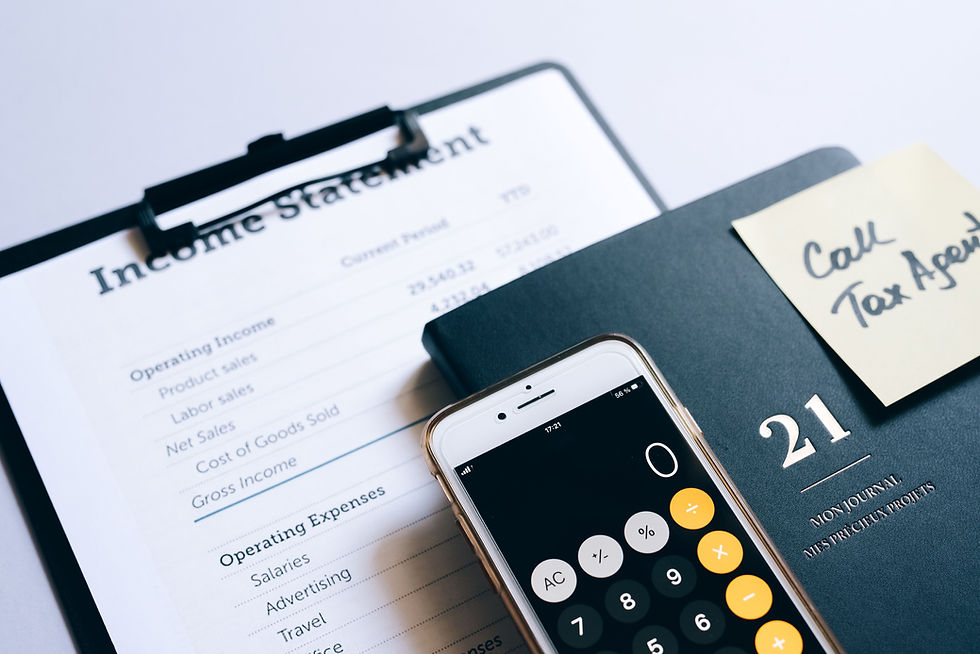
Your bookkeeper sends you a P&L every month. You open it, skim past the rows of numbers, glance at the bottom line, and close it. Not because you don't care — because nobody ever sat down and told you what you're actually looking at.
Here's the truth: a profit and loss statement (P&L) isn't built for accountants. It's built to answer one question — is the business making money, and where does that money actually come from and go? Once you know what each section means, it stops being a wall of numbers and starts being the clearest picture you have of how your business is really doing.
How to Read a P&L Statement, Section by Section
A P&L is organized top to bottom for a reason — each section builds on the one above it, walking from what you sold all the way down to what you actually kept.
Revenue
This is the top line: everything the business brought in from sales, before anything gets subtracted. It's often the number people focus on most, but revenue alone doesn't tell you if the business is healthy — it only tells you how much came in the door.
Cost of Goods Sold (COGS)
This is what it directly cost you to deliver what you sold — materials, product costs, direct labor tied to producing the thing itself. Subtract COGS from revenue and you get gross profit, which tells you how much room you actually have before overhead even enters the picture.
Operating Expenses
Everything else it costs to keep the business running, whether or not you made a single sale that month — rent, software, marketing, admin salaries, insurance. This is where a lot of quietly expensive habits hide, because individually these line items feel small, but added together they can eat a business alive.
Net Profit
The actual bottom line: what's left after COGS and operating expenses are both subtracted from revenue. This is the number that tells you the real answer to "is this business making money" — not the revenue number, and not your bank balance.
What Should Actually Catch Your Eye
Once you can follow the flow from revenue down to net profit, the more useful skill is knowing what's worth paying attention to:
A gross profit margin that's shrinking over time — even if revenue is going up, this usually means costs are creeping in a way that hasn't been priced for yet.
One or two expense categories growing faster than revenue — a healthy business generally has expenses that scale with growth, not ahead of it.
Revenue going up while net profit stays flat or drops — this is one of the most common patterns business owners miss, because a bigger top line feels like success even when it isn't translating to the bottom line.
The Real Shift
None of this requires an accounting background. It requires knowing what each line actually means and building the habit of glancing at the same few things every month instead of skimming past the whole report.
That's exactly what Module 5 of AccountAble Academy's course is built around — reading your own financial statements with real confidence, so you're not just forwarding your P&L to someone else and hoping they catch what matters. You'll walk through this same structure with your own numbers, not a generic example.
Want direct access to me to go through your own specific numbers? The Founders Group has a limited number of spots open right now at a limited-time discount, with ongoing access to me to answer your questions.

Comments